

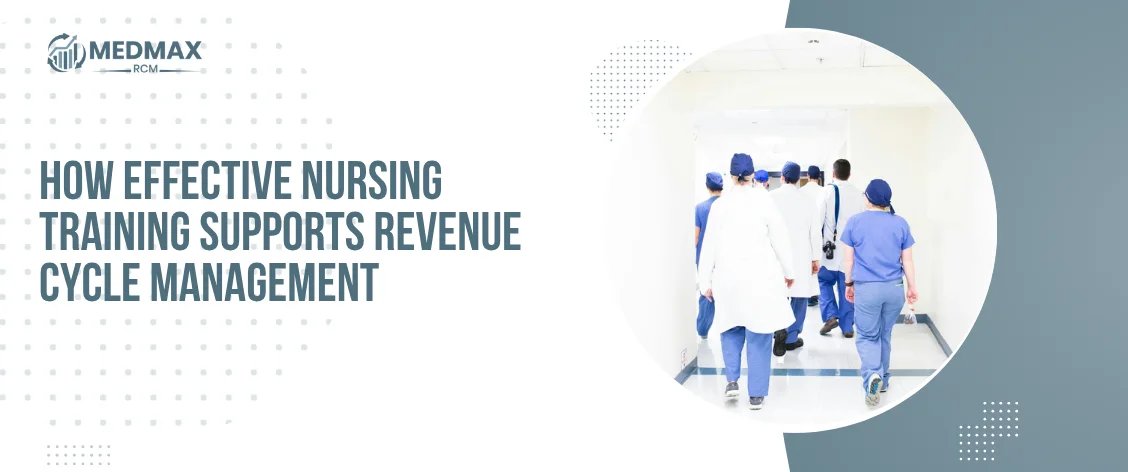
How Effective Nursing Training Supports Revenue Cycle Management
You probably measure revenue cycle performance through denial rates, days in accounts receivable, or reimbursement speed. Those numbers matter, but they all depend on something much earlier in the care journey.
Every patient encounter creates documentation that follows the claim through coding, billing, and payer review. Nurses record symptoms, assessments, treatments, and care updates. Those details become the foundation for coding decisions and payment requests. Technology can speed up billing, but it cannot fix incomplete records or clarify vague clinical notes.
Your revenue cycle depends on information that your clinical team captures every day. That makes nursing education part of your financial strategy. When your nurses learn strong documentation habits, communicate clearly, and understand compliance expectations, your coding team receives records they can trust.
Claims move with fewer questions, fewer delays, and fewer preventable corrections. That relationship is easy to see. Better nursing training supports cleaner documentation, and cleaner documentation supports a healthier revenue cycle.
Table of Contents
ToggleStrong Nursing Documentation Supports a Healthier Revenue Cycle
Your coding team can only work with the information inside the medical record. If key details are missing, coders cannot assume what happened during the visit. They must rely on what the documentation supports.
That process begins with nursing care. Nurses document patient histories, current symptoms, assessments, medications, treatments, and ongoing observations. They also record changes in a patient’s condition and communicate those updates across the care team.
Each entry helps build the clinical story behind the claim. Small gaps create larger problems later, from delayed code selection to formal payer queries. Late documentation often forces billing teams to revisit encounters they expected to close.
Training shapes those habits long before a claim reaches the billing office. New nurses learn how to document objectively, record care at the right time, and connect clinical findings with provider documentation.
Regular coaching also helps experienced staff stay consistent as payer expectations evolve. This consistency benefits every department involved in the revenue cycle. Coders spend less time requesting clarification, while compliance teams find fewer documentation issues during audits.
Billing staff submit claims with greater confidence because the record already supports the services provided. The latest Centers for Medicare and Medicaid Services (CMS) data reflects that impact.
The agency updated its Evaluation and Management compliance data for the 2024 reporting period. It reported over a 10% improper payment rate for E/M codes, totaling nearly $4 billion.
Incorrect coding caused about 49% of those improper payments, while insufficient documentation accounted for just over 34%. These numbers show why accurate documentation during patient care supports cleaner reimbursement.
Training helps address those issues early. While you cannot eliminate every denial solely through training, you can reduce many documentation issues before they become financial problems. That work starts with nurses who understand both clinical care and accurate recordkeeping.
Clinical Preceptorships Build Better Documentation Habits
Clinical education changes once students begin caring for real patients. Classroom instruction explains documentation standards, while clinical rotations show how those standards work during a busy shift.
Students watch experienced providers organize patient information, document findings, and communicate across different specialties. Good preceptors ensure these lessons stick by explaining why specific details belong in the record. They also explain when documentation needs more clarity and how those details affect the patient’s ongoing care.
As those habits develop, future providers become more comfortable documenting complete encounters instead of adding missing details later. Many graduate nursing students also find a nurse practitioner preceptor before entering independent practice.
That experience gives them regular feedback on documentation, patient communication, and clinical judgment. These skills support accurate coding because the medical record reflects the care that actually occurred.
ClickClinicals notes that meaningful preceptor engagement strengthens students’ clinical development while refining providers’ communication and leadership skills. These skills continue benefiting your organization after training ends.
Providers who document consistently make it easier for coding professionals to identify supported diagnoses and procedures. Compliance reviews also become more efficient because the record contains fewer unanswered questions.
A recent JAMA Open study reinforces that connection. A 2026 study interviewed 14 inpatient registered nurses, including 9 from critical care units. Twelve participants had more than 6 years of inpatient experience, while 7 had used EHRs for at least 12 years.
These experienced nurses consistently prioritized real-time documentation that helped other care team members make informed patient care decisions. These habits continue benefiting your organization long after orientation ends.
Every organization invests in billing systems and compliance processes. Clinical education deserves the same attention because the documentation practices your providers develop during training continue supporting reimbursement accuracy throughout their careers.
Consistent Documentation Keeps Claims Moving
Documentation quality depends on consistency. One complete note does little if the next three leave out key details. Payers review the entire record, not isolated entries.
Your nurses need clear documentation habits that stay consistent across every patient encounter. That includes recording assessments on time, using approved clinical terms, and supporting medical decisions with complete findings.
Those habits also help your coding team. Coders cannot fill missing gaps or assume what a provider intended. They assign codes based on documented facts. When records contain conflicting information, coding slows while teams request clarification.
Every review adds more work and extends the payment timeline. A consistent process removes much of that friction. You can support that process through regular documentation reviews, targeted education, and feedback that focuses on recurring issues.
Those conversations help nurses understand where documentation breaks down and how small improvements affect the next step in the revenue cycle. The American Health Information Management Association (AHIMA) also recommends tracking documentation performance through specific operational measures.
The 2024 Clinical Documentation Integrity Toolkit highlights several metrics that reveal whether documentation supports a healthy revenue cycle. These include query response rates, DRG match rates, claim denial rates, and discharged-not-final-billed accounts.
Tracking those measures helps teams identify documentation gaps before they slow coding, billing, or reimbursement. These insights strengthen nursing education.
When documentation standards become part of orientation and ongoing training, your staff develop stronger habits before those issues appear in audits or denied claims. Over time, those habits reduce rework across coding, billing, and compliance teams.
Ongoing Education Keeps Documentation Current
Documentation expectations continue changing because healthcare payment models continue changing. Your nurses may provide the same level of care next year. The documentation supporting that care may need different details to satisfy updated payer requirements.
That creates an ongoing training need. Annual education helps your clinical team understand documentation updates before they affect reimbursement. It also creates opportunities for coding, compliance, and nursing leaders to review common documentation questions together.
As Lee Ann Atkinson, Chief Compliance Officer, writes, “Effective compliance training helps providers work more efficiently within their practice.” Those conversations also improve consistency across departments.
The same approach helps when your organization introduces new workflows, electronic health record updates, or revised documentation policies. Staff understands what changed, why it changed, and how those changes affect daily documentation.

Related Posts



Williams Clark
Williams Clark is a dual-certified healthcare professional with CPC and CHC credentials. With over a decade of experience in medical billing and compliance auditing, David provides deep insights into payer policies, denial prevention, and accurate coding practices. His mission is to empower medical billers and healthcare providers with the knowledge to stay compliant and profitable.