

When Should You Use ICD-10 Code R51.9 for Headaches?
Headaches are among the most common complaints in clinical practice. They affect millions of people worldwide and can range from mild discomfort to debilitating pain. Properly coding headaches is essential for accurate documentation, appropriate treatment, and correct reimbursement.The ICD-10-CM code
Anemia ICD 10 Code: D64.9 Unspecified
Also known as a low blood count, anemia is a common condition that affects people of all ages. It occurs when the body does not have enough healthy red blood cells or hemoglobin to carry oxygen from the lungs to
Abdominal Pain ICD 10: A Complete Guide
Pain in the abdomen or pelvic area, often shortened to “abd pain” in medical documentation, can affect daily life in many ways. It may cause soreness during movement, such as getting in and out of a chair or turning over
Dysphagia ICD 10: R13.10
Dysphagia ICD 10 is the code used by Speech-Language Pathologists when working with adults diagnosed with Dysphagia. The American Speech-Language-Hearing Association (ASHA) describes Dysphagia as a “swallowing disorder involving the oral cavity, pharynx, esophagus, or gastroesophageal junction.”Dysphagia can affect a
Hypokalemia ICD 10: E87.6 ICD-10 Code, Billing and Coding Guide
What is E87.6 ICD-10 Code The E87.6 ICD-10 code represents hypokalemia, a condition characterized by abnormally low potassium levels in the bloodstream. Potassium plays an essential role in many bodily functions, including muscle contraction and nerve signal transmission. When potassium levels
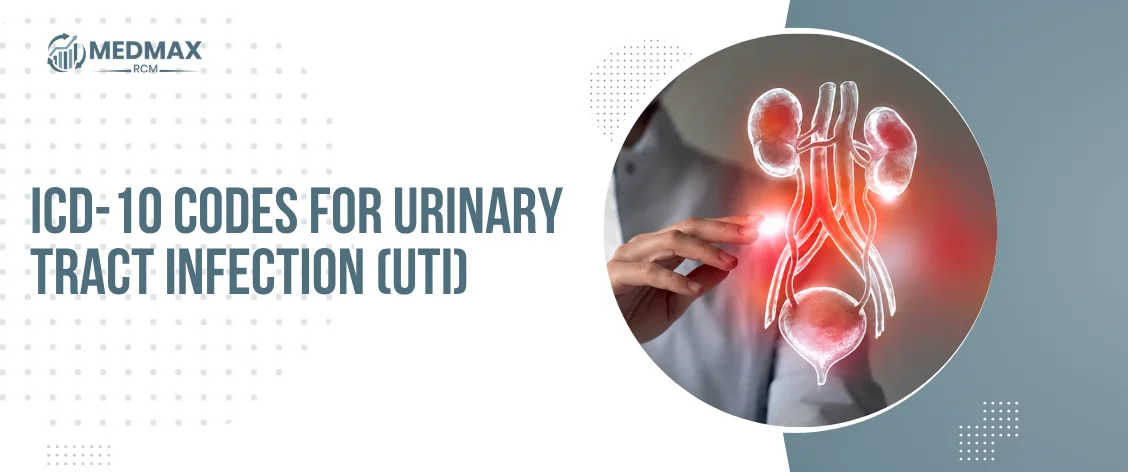
ICD-10 Codes for Urinary Tract Infection (UTI): Complete Medical Billing Guide
Urinary Tract Infections (UTIs) are among the most commonly diagnosed infections in outpatient clinics and emergency departments. However, billing for these infections requires special attention because UTIs can affect different parts of the urinary system. Even a small difference in

ICD-10 Code for Leukocytosis: Elevated WBC – A Complete Overview
Leukocytosis (D72.829) is a common ICD-10 code used to describe a high white blood cell count in clinical settings. In 2025, it appeared in almost 12% of outpatient hematology complaints and 8% of inpatient blood disease claims. However, about 15-20%

Anxiety Disorders Explained: Symptoms, Causes, and Treatment Options
Anxiety disorders are among the most common mental health conditions, affecting millions of people worldwide. They involve intense fear, worry, or dread that is often disproportionate to the actual situation. While occasional anxiety is a normal part of life, anxiety

Hypothyroidism (Underactive Thyroid): Symptoms, Causes, and Treatment
Hypothyroidism, or underactive thyroid, is a condition where the thyroid gland fails to produce enough thyroid hormones. This causes the body's metabolism to slow down. It is most commonly diagnosed via a simple blood test and is highly treatable with
Hypothyroidism ICD 10 ( E03.9 )
Hypothyroidism and ICD-10 coding are closely connected in modern healthcare. The ICD-10 system provides a standardized method for identifying and documenting medical conditions, including disorders related to the thyroid gland. By using these codes, healthcare professionals can communicate clearly, maintain