

99214 CPT Code : Complete Guide to Medical Billing and Coding
According to CMS data, CPT code 99214 is by far one of the most commonly billed evaluation and management (E/M) codes in outpatient medicine, totaling $12.5 billion in allowed charges in 2024. The next most commonly billed E/M code, CPT code 99213, amounted to less than half that amount.The high volume of 99214 CPT codes billed to payers makes it one of the most closely scrutinized claims, especially because it can be incorrectly used in place of code 99213, which reimburses at a lower rate.CPT code 99214 is also at the center of discussions about payers’ use of AI to
99215 CPT Code: Complete Medical Billing Guide
CPT Code 99215 represents the highest-level evaluation and management (E/M) service for an established patient in an office or outpatient setting, requiring high-complexity medical decision-making (MDM) or 40–54 minutes of total time on the encounter date.Commonly referred to as a “Level 5” visit (along with 99205 for new patients), CPT code 99215 can have a notable impact on revenue when billed in high volumes. Under the CMS Physician Fee Schedule, Level 5 codes have reimbursement values ranging from $176 to $242 for non-facility charges, depending on location, with an average of approximately $197 across geographies.CPT 99215 is billed much less
99213 CPT Code: Description and Usage Guidelines
In medical billing and coding, just five numbers can decide whether you get paid for the care you provide or whether your claim is denied. Those five numbers are CPT codes, and using the correct one is essential for accurate reimbursement.Among the more than 11,000 standardized CPT codes, CPT code 99213 is one of the most commonly used. In this guide, you'll learn what it means, when to use it, common real-life examples, and important billing tips to help improve claim approval and reimbursement.Let's understand CPT code 99213 with confidence. What is CPT Code 99213? CPT code 99213 is a Current Procedural
99213 vs 99214 CPT Code: Key Differences and Documentation
CPT codes 99213 and 99214 are used for established patient office visits and mainly differ based on medical decision-making (MDM) complexity and visit time. Code 99213 applies to lower-complexity visits involving stable chronic conditions or minor issues, typically lasting 20–29 minutes. In contrast, 99214 is used for more complex visits with multiple or worsening conditions, additional data review such as labs or imaging, moderate risk, and longer encounter times of 30–39 minutes, reflecting a more detailed clinical evaluation.Choosing between CPT codes 99213 and 99214 depends on the patient’s condition, the amount of data reviewed, and overall risk involved in the
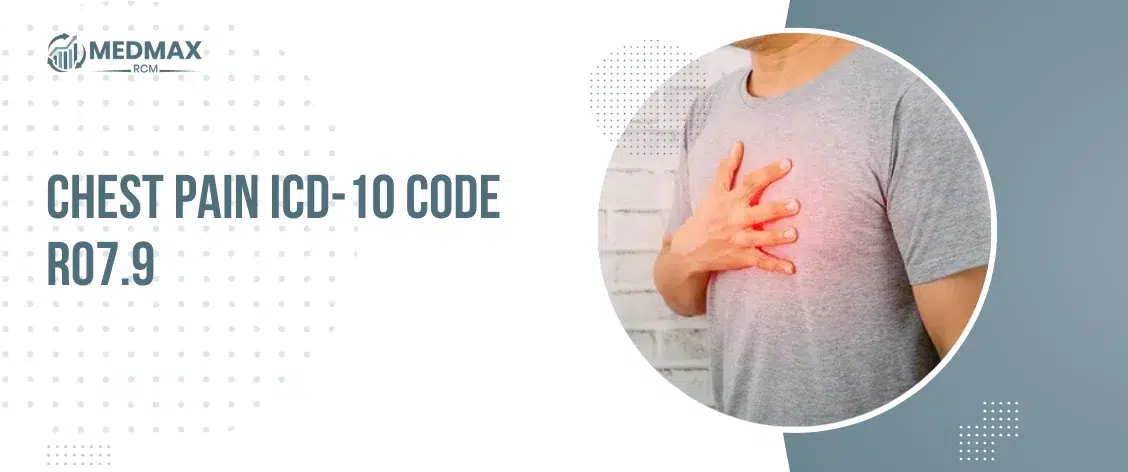
Chest Pain ICD-10 Code R07.9
ICD-10 stands for the International Classification of Diseases, 10th Revision. ICD-10 is the standard created by the WHO (World Health Organization) and is used worldwide to record diagnoses, symptoms, and medical procedures. It helps healthcare providers, insurers, and medical coders communicate in a clear and organized way. ICD-10 codes are made up of letters and numbers, starting with a letter and ending with digits. Each diagnosis code refers to a specific condition. For example, R07.9 means “chest pain, unspecified.” This level of detail ensures clear communication, accurate records, and smooth claim processing.The shift from ICD-9 to ICD-10 created more detailed
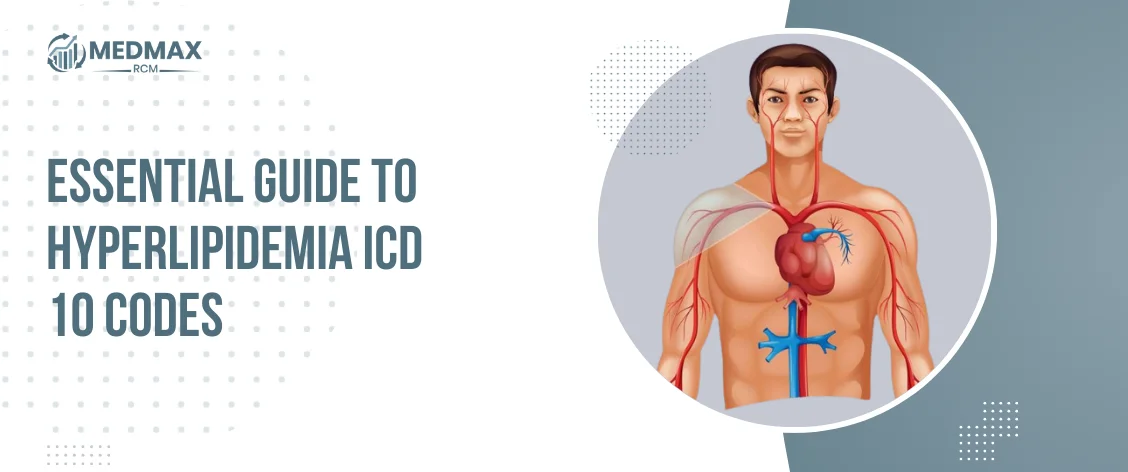
Essential Guide to Hyperlipidemia ICD 10 Codes
Hyperlipidemia (High blood cholesterol) is a major health risk for people around the world. About 94 million adults have cholesterol levels higher than the normal reference range. As a healthcare provider specializing in cardiology, you already know the different health issues that come with high cholesterol.When you see a patient who may have hyperlipidemia, it is important to document the diagnosis correctly so the patient receives the best care. To do this, you must use hyperlipidemia ICD 10 codes for during the documentation process.But what exactly are ICD 10 codes for hyperlipidemia? And how do these codes help healthcare providers

Medical Billing Services: 3 best Strategies for Maximizing Revenue
What Are Medical Billing Services? Medical billing services are outsourced services that handle the complex administrative process of submitting and following up on medical insurance claims. These services include tasks such as claim submission, patient billing, and insurance verification.How medical billing services help healthcare providers: Medical billing services help healthcare providers to streamline their billing process and ensure accurate and timely payments from insurance companies. This, in turn, allows healthcare providers to focus on providing quality patient care and growing their practice.
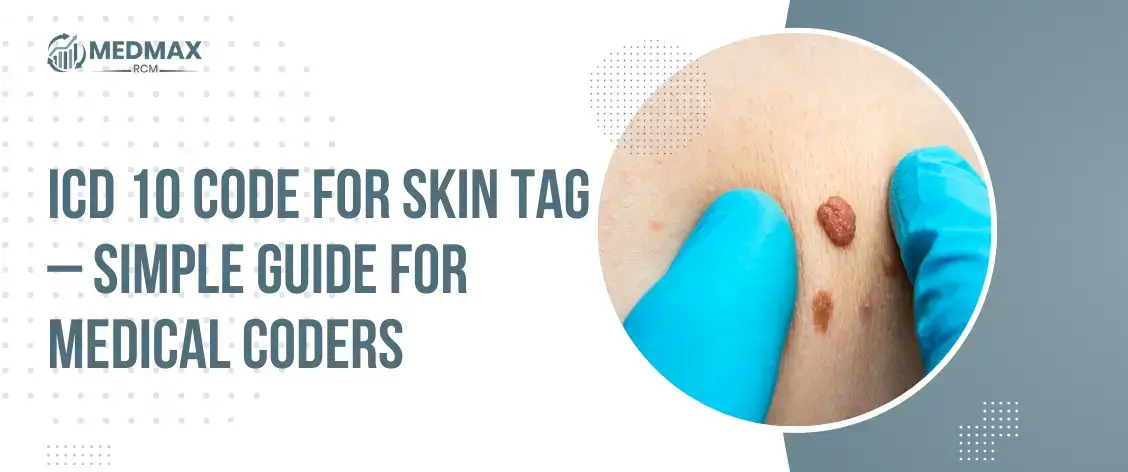
ICD 10 Codes for Skin Tags Coding, Billing, and Documentation Guide
Skin tags, also known as acrochordons, are common benign skin growths that affect millions of patients each year. Although they are medically harmless, they are among the minor dermatology procedures that can be frequently miscoded. Payers require accurate diagnosis coding to distinguish medically necessary removals, such as those performed for irritation, bleeding, or infection, from cosmetic procedures that are generally not covered.For medical billers, coders, and providers, choosing the correct skin tag ICD 10 code is important for accurate reimbursement, compliance, and reducing claim denials. As payer scrutiny of dermatology procedures continues to increase, precise diagnosis coding and supporting documentation

What is POS 11 in Medical Billing? Everything You Need To Know
Medical billing can feel overwhelming with its codes and guidelines, but understanding them is a must for accurate reimbursements. Among the many codes healthcare providers use, POS 11 holds a significant place. In this blog, we’ll look in-depth at POS 11, why it matters, and how it fits into medical billing. What Are POS Codes in Medical Billing? To grasp the importance of POS 11, let’s start with the basics. POS codes (Place of Service codes) are numerical identifiers used in medical billing to denote where a healthcare service was provided.These codes are essential for insurance companies to determine the reimbursement rates
CPT Code 96372 – Everything You Need to Know
CPT code 96372 refers to a therapeutic, prophylactic, or diagnostic injection given either subcutaneously (under the skin) or intramuscularly (into the muscle), for a drug or substance, but not vaccines, chemotherapy, or IVs, used for conditions like B12 shots, antibiotics, or pain relief. It's billed per injection, requiring separate codes for multiple injections, and needs precise documentation.CPT code 96372 is used when a healthcare provider administers a therapeutic, prophylactic, or diagnostic injection either subcutaneously (under the skin) or intramuscularly (into the muscle).This code is designed for injections that are not part of a larger procedure, allowing practices to bill separately